Bamboo vs. Traditional Timber: Why Veribambu™ Holds the Key to a Carbon-Neutral Build Environment
The construction industry stands at a critical crossroads. As the world urgently seeks to reduce carbon emissions and mitigate climate change, the very materials we build with are under scrutiny. For centuries, traditional timber has been the go-to resource for everything from structural frames to finishing touches. But in the 21st century, a fundamental question arises: Is wood still the best choice for a sustainable future?
A quiet revolution is underway, led by architects, builders, and environmentally conscious homeowners who are turning to a different material: engineered bamboo. This isn’t merely a substitution; it’s an upgrade. When compared side-by-side, bamboo—particularly engineered bamboo from innovators like Veribambu™—presents a compelling, data-driven case for being the truly carbon-neutral building material of the future.
This article delves beyond the surface to provide a clear, factual comparison between bamboo and traditional timber, examining their lifecycle from forest to building site and beyond.
The Core Issue: It’s All About Time and Carbon
The fundamental difference between bamboo and timber lies in their biological and ecological timelines.
Traditional Timber: The Long Wait.
Hardwoods like oak, teak, or maple are revered for their durability. However, this strength comes at a significant environmental cost in terms of time. These trees require 50 to 100 years to reach maturity and be harvested for lumber. This long cycle presents several challenges:
- Carbon Lock-Up Slowdown: A tree’s peak carbon sequestration occurs during its rapid growth phase. As it matures, this rate slows dramatically.
- Resource Bottleneck: The slow regrowth rate cannot keep pace with global demand, leading to deforestation, habitat loss, and soil degradation.
- Monoculture Plantations: To meet demand, vast monoculture tree farms are often established, which are detrimental to local biodiversity.
Bamboo: The Rapid Renewal.
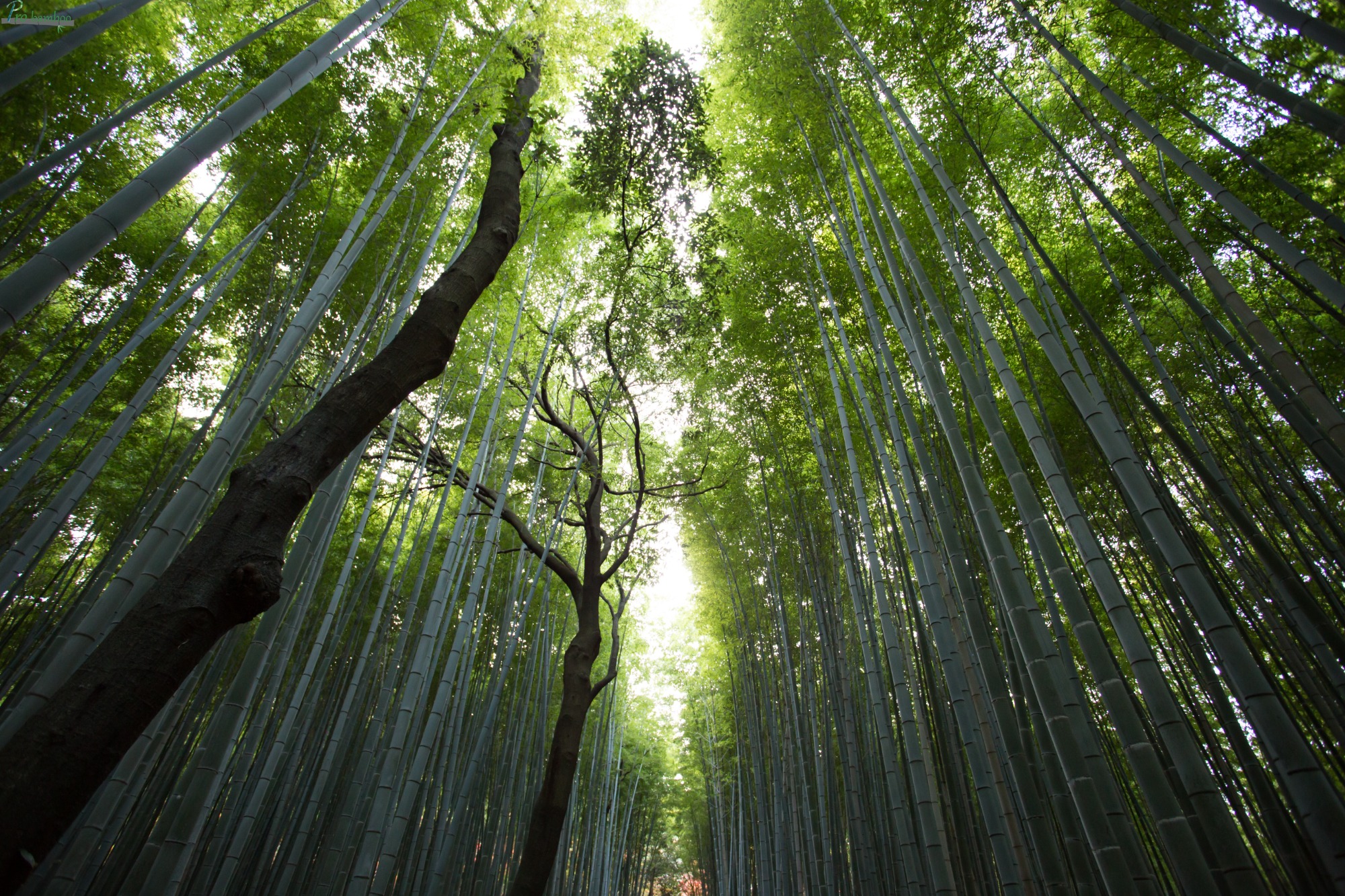
Bamboo is not a tree; it’s a giant grass. This classification is the source of its superpower. Species like moso bamboo (used by Veribambu™) reach full maturity in just 4-6 years and can be harvested without killing the plant. The root system remains intact, preventing erosion and immediately beginning to regrow. This creates a continuous cycle of sequestration and harvest.
Carbon Footprint: A Lifecycle Showdown
Let’s break down the carbon narrative into three key acts.
1. Growth & Cultivation: The Clear Winner.
- Bamboo: A hectare of bamboo can sequester up to 17 tons of CO2 per year, significantly more than a young tree plantation. Its rapid growth and continual regrowth after harvest make it a relentless carbon-absorbing machine.
- Timber: While trees do sequester carbon, their overall annual rate per hectare is lower due to their long lifecycle. The clearing of old-growth forests for timber releases immense stored carbon, a debt that new plantations cannot repay for centuries.
2. Processing & Transportation: The Efficiency Edge.
- Bamboo: Veribambu™ utilizes a highly efficient manufacturing process. The strand-woven technique creates an incredibly dense material, but the overall energy required to process the grass into a stable product is often less than that required to mill and dry large hardwood logs. Furthermore, bamboo’s lightweight nature can reduce transportation emissions.
- Timber: Processing heavy logs into lumber is energy-intensive, requiring significant milling and lengthy kiln-drying processes. The weight and volume of timber also contribute to a higher transportation footprint.
3. Longevity & End-of-Life: The Closed Loop.
- Bamboo: Veribambu™’s bamboo products are renowned for their durability and hardness, often outperforming oak. A long product lifespan means the stored carbon remains locked away for decades. At end-of-life, bamboo is biodegradable and non-toxic, returning nutrients to the soil.
- Timber: Durable hardwoods also have long lifespans. However, many softer woods used in construction require chemical treatments to prevent rot and insects, which can complicate recycling and create toxic waste.
Verdict: When analyzing the complete lifecycle, bamboo operates on a net-negative carbon trajectory, while even the best-case scenario for timber is often just neutral.

Performance Beyond Carbon: Strength, Stability, and Versatility
Sustainability is only valid if the material performs. Here, engineered bamboo shatters outdated perceptions.
- Hardness & Durability: Veribambu™’s Strand Woven Bamboo boasts a Janka Hardness rating of over 3000 psi, making it harder than most North American hardwoods and exceptionally resistant to dents, scratches, and wear. This makes it ideal for high-traffic floors, commercial surfaces, and heavy-use furniture.
- Dimensional Stability: Engineered bamboo is less susceptible to expansion and contraction with changes in humidity than many traditional woods, reducing the risk of warping, cupping, or gapping.
- Moisture Resistance: Through advanced treatments, Veribambu™ products achieve a level of moisture resistance that is difficult for many timbers to match without chemical sealants, making them suitable for kitchens, bathrooms, and even exterior cladding and decking.
The Veribambu™ Difference: Certified, Ethical, and Engineered for the Future
Choosing bamboo is a great first step; choosing the right bamboo is critical. Veribambu™ ensures that your material choice is as ethically sound as it is environmentally superior.
- Certified Sourcing: All Veribambu™ bamboo is sourced from FSC® or PEFC™ certified forests, guaranteeing sustainable farming practices that protect biodiversity and prevent soil degradation.
- Non-Toxic Engineering: We use low-VOC, formaldehyde-free adhesives in our manufacturing process, ensuring healthy indoor air quality and a completely non-toxic product.
- Technical Innovation: We don’t just sell bamboo; we engineer it. Our products come with full technical data sheets, making it easy for architects and engineers to specify them with confidence in commercial and residential projects.

Conclusion: Making the Informed Choice for Tomorrow
The choice between bamboo and traditional timber is no longer just about aesthetics or cost. It is a conscious decision about the kind of world we want to build.
Traditional timber will always have its place, but for projects that prioritize a genuinely sustainable, high-performance, and future-proof outcome, engineered bamboo is the unequivocal choice. It offers a powerful combination of:
- Superior Carbon Negativity
- Unmatched Renewability
- Exceptional Hardness and Durability
- Ethical and Certified Sourcing
By specifying Veribambu™, you are not just selecting a building material; you are actively participating in a closed-loop, regenerative system. You are choosing to build a beautiful, durable, and carbon-neutral future.
Ready to make the switch? Download our technical specification guides or contact our team to request samples and see—and feel—the Veribambu™ difference for yourself.