How Bamboo Supports China’s Carbon Neutrality Goals
As China advances toward its national targets of carbon peak by 2030 and carbon neutrality by 2060, attention is expanding from energy systems to include sustainable building materials.
Among these materials, bamboo is increasingly recognized as a low-carbon construction resource, supporting both environmental goals and industrial development.

Bamboo as a Renewable and Carbon-Absorbing Material
Bamboo is widely known for its rapid growth cycle, typically reaching maturity within 4–6 years.
During this period, bamboo absorbs significant amounts of carbon dioxide, making it an effective carbon sequestration material.
Unlike traditional timber:
- It regenerates naturally after harvesting
- Requires less resource input
- Maintains continuous productivity
These characteristics make bamboo a strong candidate in discussions around renewable building materials in China.

Emergence of Engineered Bamboo in Construction
With advancements in manufacturing, bamboo is no longer limited to traditional uses.
Today, engineered bamboo materials are used in:
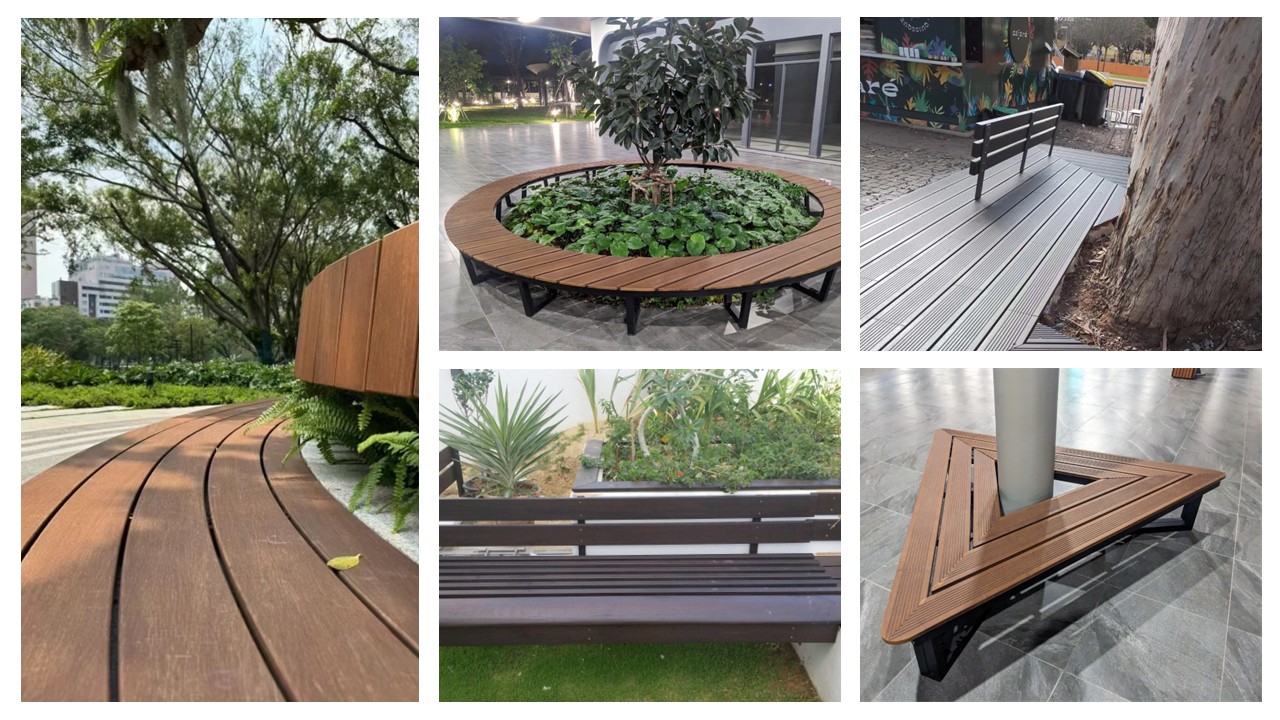
- Outdoor decking systems
- Exterior cladding
- Interior architectural panels
Through industrial processes such as densification and thermal treatment, bamboo products now meet the performance requirements of modern construction.
This shift has enabled bamboo to enter the category of sustainable construction materials.

Reducing Carbon Impact in the Building Sector
The construction industry is responsible for a large share of global carbon emissions.
High-impact materials such as concrete and steel contribute significantly to embodied carbon. In this context, bamboo offers an alternative approach by:
- Lowering reliance on slow-growing timber
- Supporting renewable material sourcing
- Reducing overall carbon footprint in specific applications
Although bamboo is not a universal replacement, it contributes to a more diversified and low-carbon material system.
Policy Direction and Industry Development
Bamboo has been increasingly discussed within the framework of:
- Green building development
- Sustainable resource utilization
- Rural economic strategies
International organizations and development programs have also identified bamboo as a nature-based solution aligned with global sustainability goals.
This policy alignment is accelerating the adoption of bamboo materials in both domestic and international markets.
Expanding Use in Architecture and Design
In recent years, bamboo has been applied across a wide range of building projects, including:
- Outdoor decking installations
- Façade systems
- Landscape design
- Public infrastructure
These applications reflect a broader transition toward eco-friendly construction materials.
As China continues its path toward carbon neutrality, bamboo is gaining importance as a renewable, low-carbon building material.
Its combination of rapid growth, carbon absorption, and expanding applications makes it a relevant component in the future of sustainable construction.