China’s Bamboo Industry Surpasses 420 Billion Yuan Output in 2025, Bamboo Forests Expand to 7.56 Million Hectares
The latest industry report released in 2025 confirms that China’s bamboo industry has achieved an output value of over 420 billion yuan, marking a major milestone in the country’s sustainable development efforts. Alongside this economic growth, bamboo forest coverage has reached 7.56 million hectares, reinforcing China’s position as the global leader in bamboo resources, cultivation, and industrial applications.
This achievement highlights not only the scale of China’s bamboo sector but also the broader shift toward eco-friendly, renewable, and sustainable building materials that are increasingly in demand worldwide.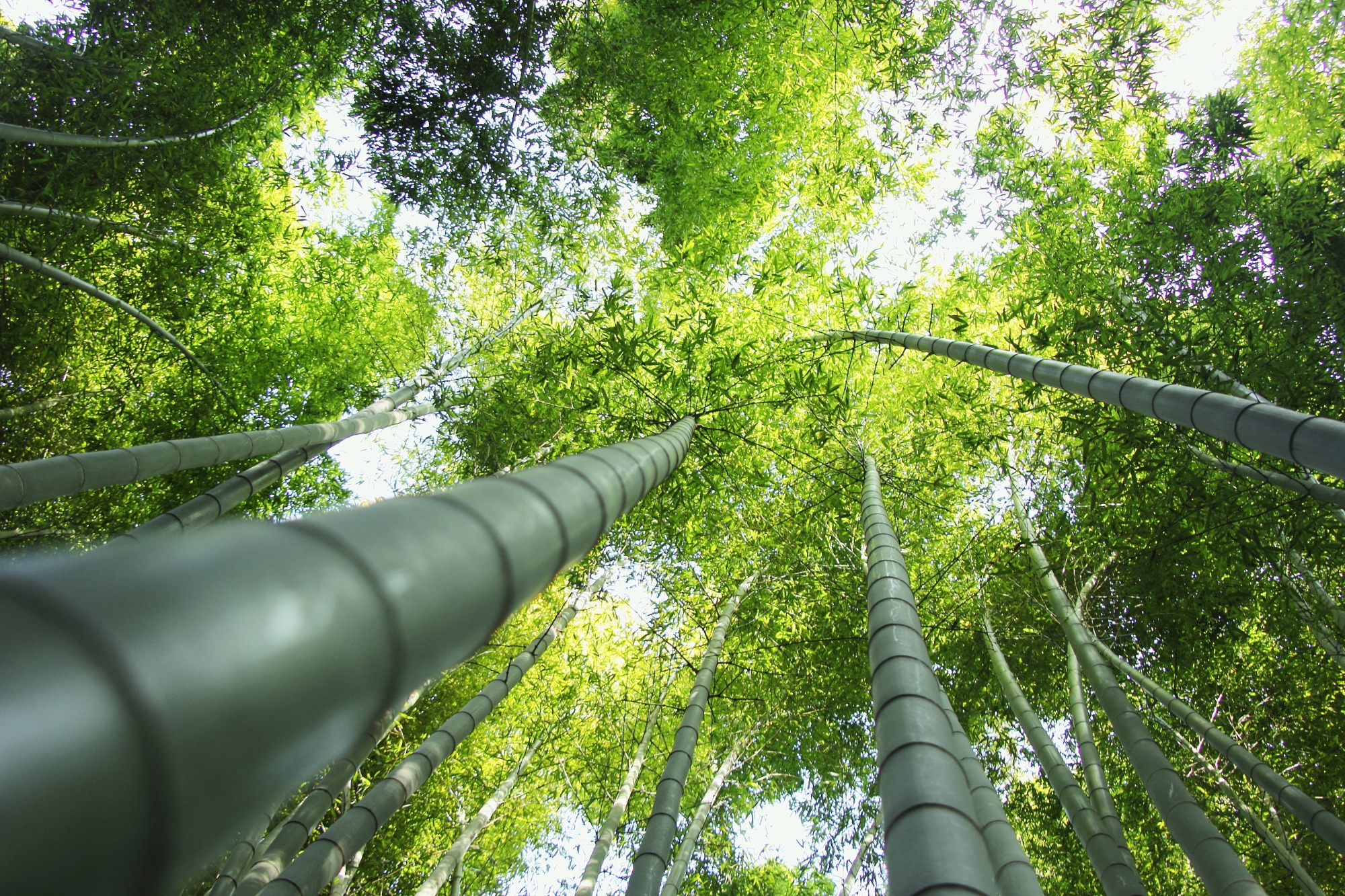
Expanding Bamboo Forests and Species Diversity
China’s bamboo forests now cover 7.56 million hectares, representing a significant expansion compared to previous years. This growth is not only quantitative but also qualitative, with efforts to enhance species diversity and ecological resilience. Regions such as Zhejiang, Fujian, Sichuan, and Guangdong continue to play leading roles in bamboo cultivation, supported by government programs and scientific research.
The expansion of bamboo plantations contributes to carbon sequestration, biodiversity protection, and sustainable land use. With bamboo capable of absorbing more carbon dioxide than many tree species, the increasing forest area strengthens bamboo’s reputation as a natural climate solution.
Bamboo Industry Output: 420 Billion Yuan and Rising
The 420 billion yuan output value in 2025 reflects the rapid industrialization and diversification of bamboo products in China. Once considered a primarily rural resource, bamboo has evolved into a cornerstone of the green economy, spanning industries such as:
This diversified growth underscores bamboo’s versatility as both a plastic substitute and a construction material capable of replacing hardwoods and reducing deforestation pressure.

Bamboo as a Core of Sustainable Building
The bamboo industry’s strong performance is closely linked to rising global demand for sustainable construction solutions. Bamboo’s unique combination of strength, flexibility, and renewability makes it ideal for building applications.
As governments and industries worldwide push for low-carbon construction, bamboo building materials are expected to gain even more traction in global markets.
Policy Support and Industry Ecosystem
The rapid rise of China’s bamboo industry is supported by national policies such as the “Bamboo Replacing Plastic” initiative, which expands the official catalog of bamboo products. Coupled with research investment and the development of smart bamboo harvesting and processing systems, the industry is becoming increasingly sophisticated.
Industry clusters are now recognized as global centers for bamboo innovation, producing both raw materials and high-value engineered bamboo products.
This ecosystem approach—combining cultivation, research, manufacturing, and export—has enabled China to build a complete bamboo value chain that few other countries can match.
Global Implications
China’s bamboo industry growth is not only a domestic achievement but also a global benchmark. With the construction industry responsible for nearly 40% of global carbon emissions, the demand for renewable building materials is expanding rapidly. Bamboo, with its fast growth cycle and ecological benefits, is poised to become a mainstream solution for sustainable construction.
The 420 billion yuan output and 7.56 million hectares of bamboo forests provide confidence to international buyers, architects, and developers who rely on bamboo for green building projects. From bamboo decking in luxury resorts to wall cladding in eco-friendly offices, bamboo is increasingly specified in projects across Asia, Europe, and North America.
Conclusion
China’s bamboo industry in 2025 represents a powerful model of sustainable growth. With over 420 billion yuan in output and bamboo forests expanding to 7.56 million hectares, the industry combines economic strength with ecological responsibility.
As bamboo continues to gain recognition as a sustainable, versatile, and high-performance material, its role in global construction, manufacturing, and climate solutions will only grow stronger. The progress seen in 2025 marks not an endpoint, but the beginning of a new chapter in the rise of bamboo as a cornerstone of the green economy.
 Chinese Engineers Develop High-Performance Bamboo Composites for Global Construction Projects
 Bamboo Set to Become Growth Engine of Global Sustainable Construction Market
 Bamboo: China’s Global Solution to Plastic Pollution and Sustainable Construction
 The B2B Buyer's Guide: 7 Key Factors When Selecting a Bamboo Building Materials Supplier
Address: West Square Industrial Park, No. 98, North Shangcheng Road, Xiaoshan District, Hangzhou
Email: Info@ebmaterial.com
WhatsApp: +86-15869164451


